
What Is Collage Art? Create Stunning Wall Displays
Key Takeaways
- Collage art combines diverse materials, like paper, photographs, fabric, and found objects, into a single composition that creates a new visual whole;
- Major types include paper collage or papier collé, découpage, photomontage and digital collage, and three-dimensional assemblage, each with distinct techniques and surfaces;
- With a few tools and simple steps, you can create a work of art at home, especially when you lean on contrast, repetition, focal points, and negative space for balance;
- You can bring collage principles onto your walls today by arranging photo tiles into a curated display, then refining the layout with adhesive, repositionable Mixtiles frames.
Collage art is the practice of assembling different elements, paper, photos, fabric, and more, onto a surface to form a unified image. While people have cut and pasted materials for centuries, the art world embraced collage in the early twentieth century through Cubism, the Dada movement, and Surrealism. Today, it includes digital collage, photomontage, and mixed media. In this guide, you will learn what is collage art, its history and types, plus how to translate those techniques into creative, damage free wall designs at home.
Create a stunning photo gallery wall you can rearrange anytime. Design your custom photo tiles in minutes with Mixtiles.
What is collage art, exactly?
Collage is a visual arts technique where artists combine images and materials to create a new image on one surface. The word comes from the French word meaning to glue, “coller”, and it covers paper collage, photomontage, and related mixed media approaches.
A simple definition and where the term comes from
In its simplest form, collage means you glue or affix different pieces onto a surface to create a new whole. The French word “collé” appears in “papier collé”, or pasted paper. Artists like Pablo Picasso and Georges Braque used bits of newspaper clippings, pieces of paper, and even printed oilcloth in studio experiments that helped define modern art.
How collage differs from mosaic, montage, and assemblage
Mosaic uses hard tiles set into grout, while collage uses flexible materials like paper or photographs glued onto a surface. Montage is a film editing technique, though photomontage refers to cut and paste photographs that create a combined image. Assemblage is three dimensional, often a relief where objects are attached to a support to become part of a sculptural artwork.
How did collage art evolve from ancient roots to modern icons?
Early precedents go back to Japan and Europe, but collage became a major art form in the twentieth century, with Cubism, the Dada movement, Surrealism, Pop Art, and later digital media shaping how artists create and share images.
Early precedents you might not expect
Calligraphers in tenth century Japan glued decorated papers behind poems. In the nineteenth century, people arranged photographs in albums that anticipated paper collage. These practices explored how different pieces could be combined into one design long before the term collage was common in the art world.
The modernist breakthrough
Pablo Picasso and Georges Braque pioneered papier collé in the early twentieth century. Picasso’s Still Life with Chair Caning brought a printed seat pattern onto a canvas, while Braque’s Fruit Dish and Glass used pasted paper. Juan Gris refined the style in New York and Paris, and institutions like the Tate Gallery and the Museum of Modern Art recognize collage as central to modern art.
Dada, Surrealism, and Pop
Dada artists embraced photomontage. Hannah Höch created The Last Weimar Beer-Belly Cultural Epoch in Germany, often called the Dada Kitchen Knife, by cutting and combining mass media images. Surrealists like Max Ernst and Joseph Cornell used collage techniques to play with dream logic. Later, Pop Art and Nouveau Réalisme took collage into advertising and celebrity culture, from Richard Hamilton’s homes so different collage to Andy Warhol and Robert Rauschenberg’s mixed media.
Digital collage today
Photomontage moved into software as digital collage, where you composite black and white or color photographs into seamless images. Artists also explore social narratives and new media formats, showing how collage can evolve with time and technology.
What are the main types of collage art?
Collage can be sorted by technique and materials. The table below gives quick examples you can use as a guide when you explore different types at home or in the studio.
|
Type |
Meaning or origin |
Typical materials |
Notable examples |
|---|---|---|---|
|
Papier collé |
French for pasted paper; |
Pieces of paper, newsprint, glue, onto a surface; |
Picasso and Braque paper collage; Juan Gris still lifes. |
|
Découpage |
French word découper, to cut out; |
Cut paper layers sealed with varnish; |
Henri Matisse Blue Nude II paper cut outs. |
|
Photomontage |
Cut and paste photographs; |
Photographs, newspaper clippings, glue; |
Hannah Höch kitchen knife series. |
|
Digital collage |
Software based compositing; |
Scanned images, photographs, digital layers; |
Contemporary mixed media workflows. |
|
Assemblage |
Related to collage, three dimensional; |
Found objects attached to a support; |
Kurt Schwitters Merz works; Robert Rauschenberg combines. |
Paper collage (papier collé) and découpage

Paper collage uses pasted paper, often bits of newspaper or printed textures, to build a new image. Découpage uses cut paper shapes layered and sealed to create polished surfaces. Henri Matisse expanded cut and paste into room sized compositions, such as Blue Nude II, showing how simple paper and glue can create a powerful image.
Photomontage vs digital collage

Photomontage is cut and paste photography, often black and white, that produces a single combined image. Digital collage uses software to composite layers for seamless results. Both can tell social stories and play with scale. Both are popular with collage artists today.
Assemblage and 3D collage

Assemblage adds found objects to a support to create relief or three dimensional form. Artist Kurt Schwitters used tickets, boxes, and wood in poetic works. Display considerations change with depth, yet the creative principles remain the same as in flat collage.
What materials and techniques do beginners actually need?
You can start with basic materials, then practice simple collage techniques to create a balanced work of art in one afternoon.
Starter toolkit
Gather a small toolkit before you begin:
- Base surface, such as canvas or sturdy paper;
- Adhesives, acid free glue stick or matte medium and a brush;
- Cutting tools, scissors or craft knife and a safe cutting mat;
- Materials, photographs, magazine images, fabric, and found pieces;
- Finish options, wax paper for pressing, optional clear sealer.
A quick step-by-step for your first paper collage
Use this simple process to create a cohesive composition:
- Choose a theme, color palette, and the main focal image;
- Cut supporting pieces and test arrangements without glue;
- Create contrast, mix large shapes with small bits of newspaper;
- Glue from back layers to front, press gently with wax paper;
- Refine edges, add drawn lines or paint for mixed media depth;
- Let dry flat, then mount or frame for display.
Composition tips from the art world
Balance repetition with surprise. Leave negative space so your focal point can breathe. Consider how textures interact when pieces are glued together. Many artists, from Picasso and Georges Braque to Joseph Cornell, used rhythm and contrast to guide the eye.
Turn your favorite photos into a movable collage. Print them as beautiful, personalized canvas prints and refresh your layout anytime.
How can you style collage art at home without nails or stress?
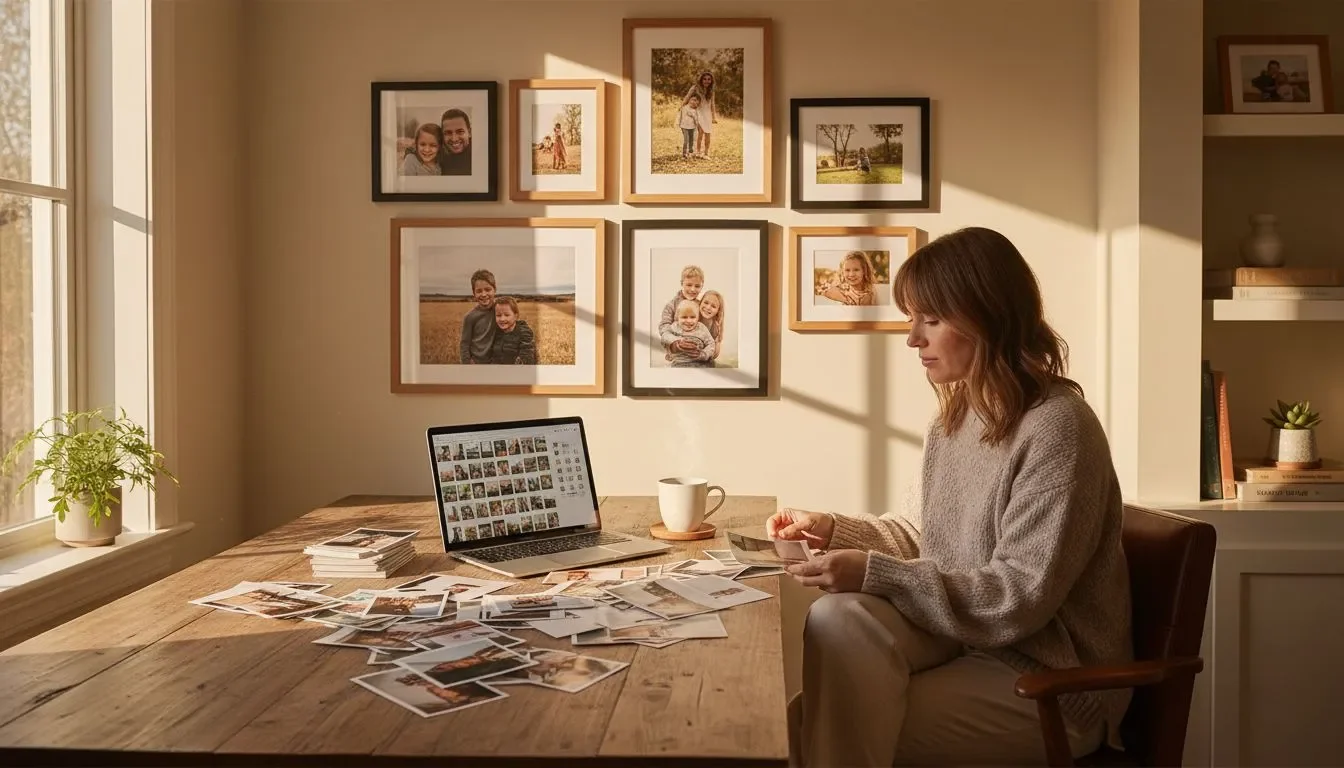
Translate collage principles into a photo gallery at home by arranging images into a grid or an organic cluster, then refine spacing. Mixtiles frames stick and restick cleanly on most walls, so you can adjust until the collection feels right.
Renters or anyone avoiding holes can follow our guide on how to hang wall art without nails for smooth, damage free setups.
Translate collage principles into wall displays
Think in layers and relationships. Group images by theme, like travel or family, and by color, such as black and white or a warm palette. Play with scale and spacing to echo the energy of cut and paste techniques.
Layout ideas that always look good
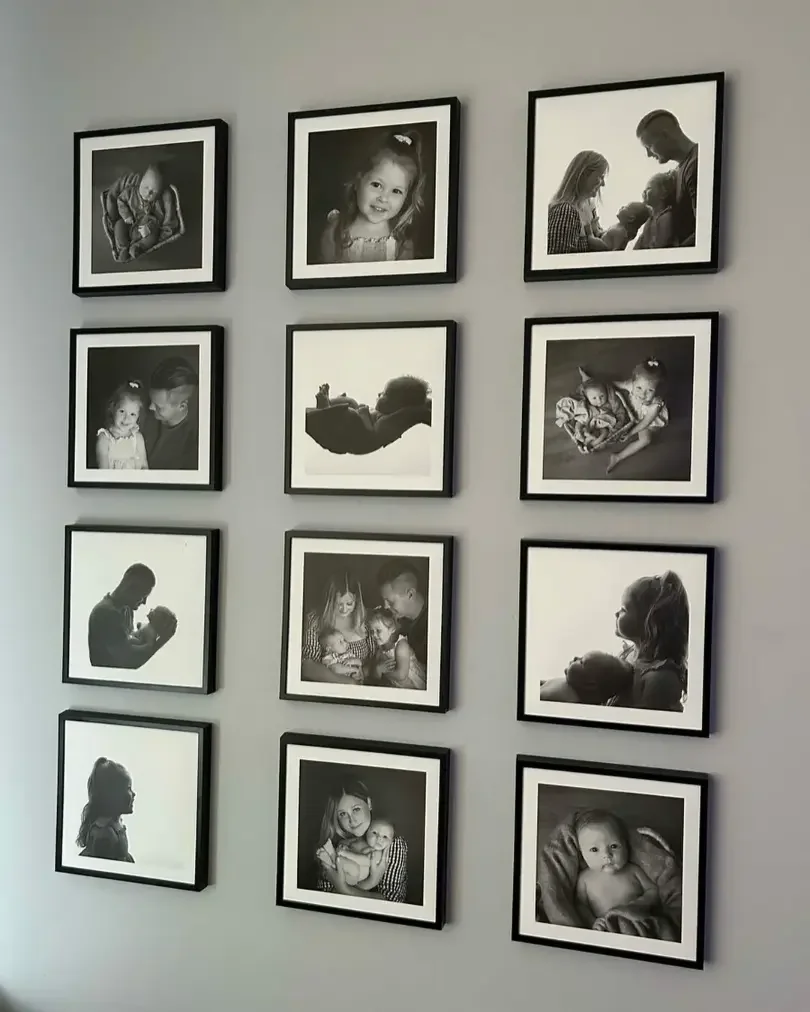
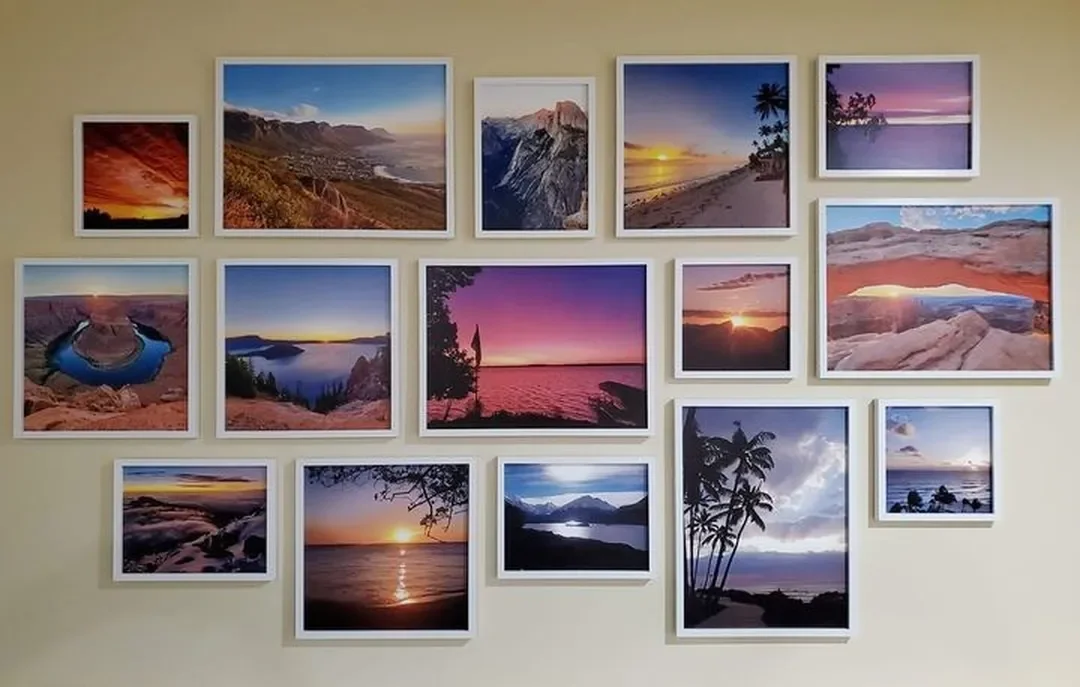
Classic grids feel modern and calm. Rows above a sofa create a polished line. Salon style clusters add movement in a hallway or up a staircase. Our gallery walls provide ready made templates when you want balance without guesswork. If you are deciding proportions, our wall art size guide helps you choose balanced tile counts and spacing. For layout fundamentals, see how to arrange art on a wall.
Make it personal
Mix portraits with detail shots and landscapes. Add a wall sign for a title. Swap seasonal photos to keep the display alive. You can also blend fine art prints with your photographs to echo mixed media style.
Is a photo collage right for your space and lifestyle?
Yes, if you enjoy creative play and want artwork that evolves over time. Photo tiles fit renters and busy households because you can move them easily without tools.
Where collage walls shine
Living rooms welcome a statement grid. Bedrooms benefit from softer palettes above the headboard. Home offices appreciate a motivational row. Kids’ rooms love change, so a movable collage keeps pace with new interests. For vertical runs, explore our staircase wall decor ideas to create a dynamic flow between floors.
Why adhesive, repositionable frames simplify everything
Mixtiles use gentle, durable adhesion designed for flat painted walls, textured walls, and even some brick or wood paneling. No nails, no damage, no stress. You can lift a tile, adjust spacing, and press it back into place in seconds.
Collage art invites you to combine elements, ideas, and memories into a fresh composition. Whether you cut and paste paper in the studio or curate a gallery at home, the core is the same: explore relationships, create a focal point, and enjoy the process. Ready to make your walls a living artwork? Learn what is collage art in practice, start with a few images and build a collection you can evolve over time.
Design a collage wall you can change anytime. Explore our collection of wall arts and get started with Mixtiles on the web or in the app today.
Frequently Asked Questions
What does collage mean in art?
Collage, from the French coller, to glue, is both a technique and a finished artwork. Artists arrange paper, photographs, fabric, and found materials on a surface, then affix them to create a unified composition that highlights contrast, layering, and visual rhythm.
What are the four main types of collage art?
The core types are papier collé, pasted paper elements, découpage, cut paper sealed in layers, photomontage, cut and combined photographs, and digital collage, software-based compositing of images and textures. Each uses layering and juxtaposition to build a new visual whole.
How do you make collage art at home?
Pick a theme and color palette. Gather images and textures. Cut pieces and test layouts before gluing. Adhere from background to foreground, press flat, then add drawn or painted details. Let dry, then display. For walls, arrange photo tiles to echo collage principles.
What is a collage, and what is a good example?
A collage is an artwork built by assembling varied materials onto one surface. Classic examples include Picasso’s Still Life with Chair Caning and Hannah Höch’s photomontages. At home, a curated photo wall made from adhesive, repositionable tiles functions as a modern collage.

Be the first to know — deals, news & decor ideas.
By clicking you agree to the Terms of Use & Privacy Policy