
What Is Contemporary Art? Explore Its Key Themes Today
Key Takeaways
- Contemporary art refers to art made by living artists, responding to today’s diverse, global world;
- Common themes include identity, technology, and culture, with mediums like video, installation, and performance;
- It differs from modern art in timeframe and a pluralistic, idea-first approach grounded in postmodern thinking;
- You can bring the look home with idea-led gallery walls using Mixtiles adhesive, repositionable frames.
Wondering what is contemporary art and why it feels different from the classics? In short, it is art made today by living artists, shaped by global culture, new technologies, and big ideas. Instead of asking if a work is pretty, audiences often ask what idea the piece explores. In this guide, you will learn the definition, see key movements and materials, and get quick tips to bring the look home with Mixtiles.
Create a contemporary-inspired photo gallery wall in minutes. Upload your photos and get adhesive, repositionable frames delivered to your door.
What is contemporary art?
In the simplest terms, contemporary art refers to art made now by living artists. The term is defined by time, not one style. These works are often idea-led and participatory, inviting your view and interpretation. In museums and galleries you will see painting, photography, and image-based work, alongside performance art, conceptual art, and site-specific installation. The goal is dialogue with the world we live in. If you are building a collection at home, learn how to choose wall art so your selections reflect your theme and room.
How did contemporary art emerge and evolve?
After World War II, artists in New York pushed process and abstraction, which shifted how art can be made. Postmodern pluralism followed, so many movements could coexist: pop art, conceptual art, performance art, and more. Contemporary artists draw from history and new media, and museums and galleries now show a global mix of voices and cultures from the late 20th century to today.
What themes and mediums define contemporary art today?
Contemporary artists often trace how people live now. They explore identity, technology, and culture, and they choose materials that fit the idea.
Common themes you will notice
Look for these recurring ideas in contemporary art across the world.
- Identity and the body, including heritage and personal history;
- Technology and media, from screens to networked life;
- Globalization, migration, and culture in motion;
- Time, memory, and institutional critique.
Popular mediums and approaches
Mediums expand beyond paint when the idea calls for it.
- Painting, sculpture, installation, and photography;
- Video and performance, including participatory works;
- Site-specific projects that reshape space or nature;
- Appropriation, remix, and conceptual strategies.
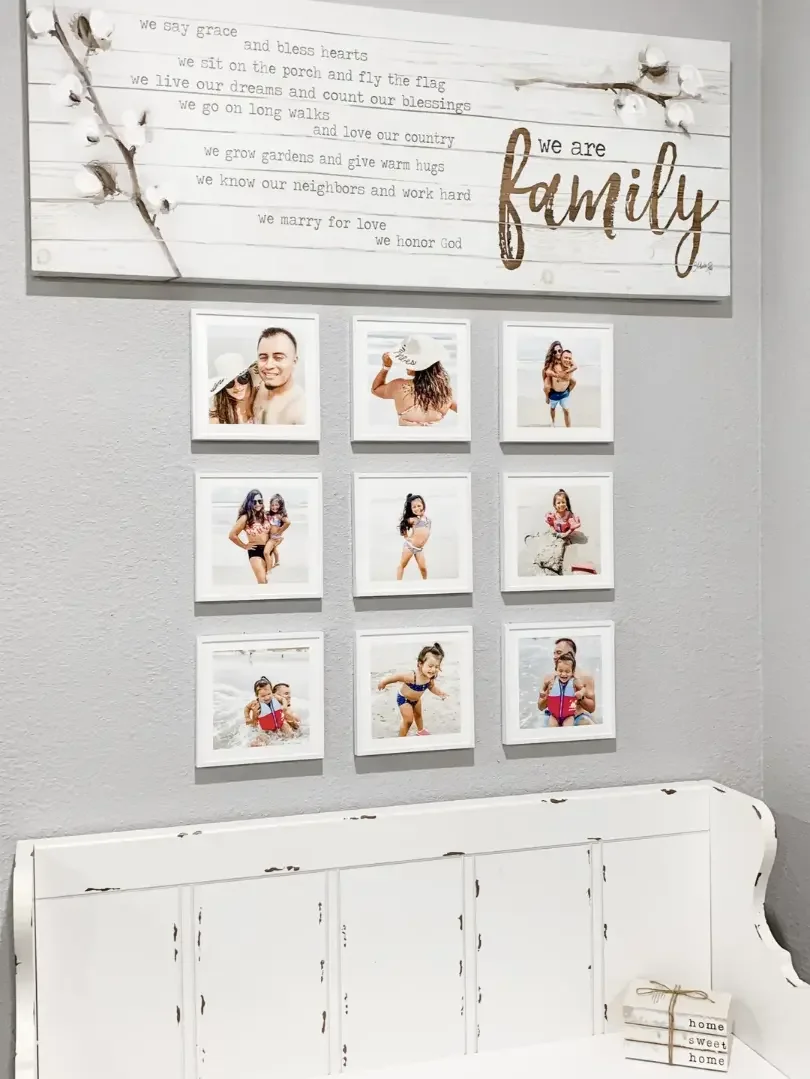
Turn your favorite ideas into a wall story. Use our versatile photo tiles to arrange a clean grid or playful mosaic, no nails and no mess. If you are renting, see our guide to how to hang wall art without nails.
How is contemporary art different from modern art?
Modern art and contemporary art are related, yet distinct in time and approach. Here is a quick view.

|
Modern Art |
Contemporary Art |
|---|---|
|
Late 19th to mid‑20th century; |
Late 20th century to today; |
|
Movement-driven innovation and formal experimentation; |
Pluralism, concept-first thinking, audience interaction; |
|
Painting and sculpture lead many movements; |
Expanded tools: video, installation, performance, digital. |

How can you experience contemporary art at home?
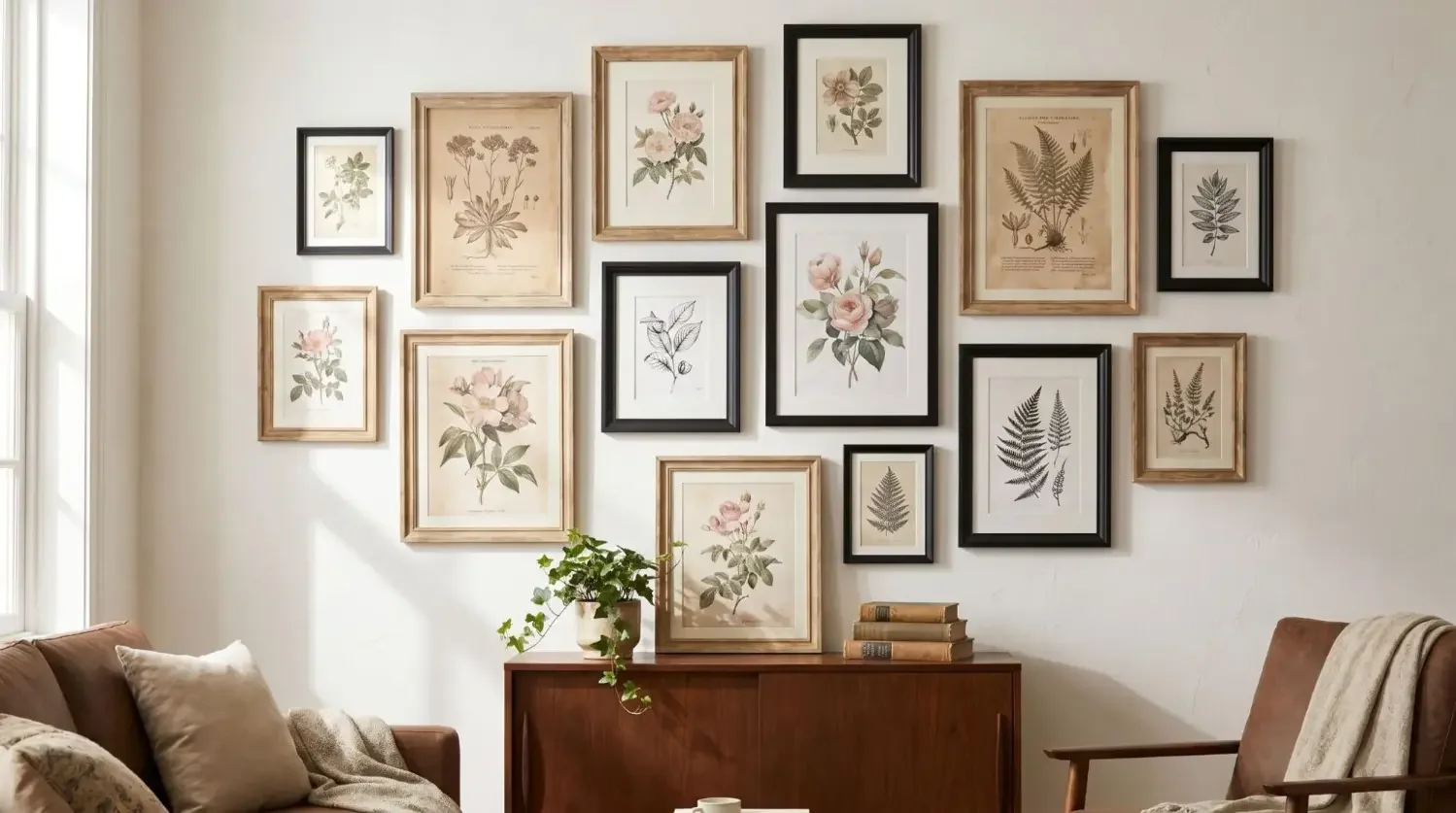
You can echo museum curation at home with an idea-led gallery wall that evolves over time. For layouts and spacing tips, explore how to arrange art on a wall.
Curate like a museum, in simple steps
Use this quick checklist to design with confidence.
- Start with an idea: identity, travel, technology, or memory;
- Choose a rhythm: a tight grid for calm, or staggered tiles for energy;
- Limit a palette: black-and-white with one accent color for cohesion;
- Finish with the right format: Gallery Wall Kits or Canvas Prints from Mixtiles.
Turn your own photos into contemporary wall art with Mixtiles
Edit for cohesion using similar tones or filters. Mix scales by pairing close-up textures with wide scenes so each work can breathe. Refresh the layout as your concept grows, since our adhesive frames restick cleanly without damage. Not sure about scale? Use our wall art size guide to choose balanced tile sizes and spacing.
How should you approach and evaluate contemporary art?
Ask what idea drives the work, then consider context: materials, site, culture, and your own view. Value process as much as product. Stay open to surprise, since art can shift how you see the world.
What is contemporary art? It is the living conversation of our time, idea-driven and inventive across mediums and spaces. Explore it at museums and galleries, then bring its spirit home with Mixtiles. Start with an idea, curate with intention, and evolve your wall as you learn and see more.
Ready to build your contemporary wall? Turn your photos into beautiful canvas pictures and create an idea-led gallery you can rearrange anytime.
Frequently Asked Questions
What is contemporary art?
Contemporary art is created by living artists in the present or recent past. It engages with today’s ideas, cultures, and technologies. Instead of one style, it is plural and concept-led, often inviting participation and interpretation from the viewer.
What are common types of contemporary art?
Examples include painting, sculpture, installation, photography, and print. Many artists also use video, performance, digital and AI tools, collage and remix, land art, and public interventions. The medium serves the idea, so formats evolve as culture and tech change.
Why is contemporary art important?
It reflects the world we live in, linking personal stories with social issues. Contemporary works can spark curiosity, emotion, and debate, helping us question assumptions and see new perspectives. They also document our time, shaping culture and inspiring creative action.


Be the first to know — deals, news & decor ideas.
By clicking you agree to the Terms of Use & Privacy Policy